
Coding to Robotics / Competition Pathway
From Coding Foundations to International Robotics Competitions
Our coding curriculum is strategically aligned with STEAM education and international robotics competitions, guiding students from foundational programming skills to real-world engineering applications and competitive robotics pathways.
Parent-Facing Value Statement
Our coding and robotics pathway prepares students not only to learn programming, but to apply it in real engineering challenges and internationally recognized robotics competitions such as VEX, FLL, and FTC.
Why This Pathway Matters
✔ Clear progression parents can understand and trust
✔ Coding is applied, not abstract
✔ Robotics gives coding real purpose
✔ Competitions provide:
Motivation
Teamwork
Academic recognition
Full Learning Pathway Overview
Age Coding Focus Robotics / STEAM Competition
5–7 Scratch STEAM projects —
7–9 Scratch → Python Entry robotics —
8–10 Python Robotics systems VEX IQ / FLL
10–12 Python → C++ Advanced robotics VEX IQ / FLL
11–14 C++ Engineering systems FTC
Stage 1: Coding Foundations (Scratch → Python)
Ages 5–9
STEAM / Robotics Readiness
How coding connects to robotics
Sequencing, loops, and conditionals
Event-driven thinking used in robotics logic
Scratch Introduces:
STEAM Integration
Simple robotic movements
Sensor logic (basic level)
Game-like engineering challenges
Coding Concepts are Applied to:
Logical flow control
Problem decomposition
Debugging habits
Python Builds:
Outcome:
Students develop the computational thinking needed to control robots and understand how software drives hardware.
Ages 8–12
Applied Coding & Design Thinking
At this stage, students begin applying real coding logic to robotic systems.
Stage 2: Robotics Programming / Engineering
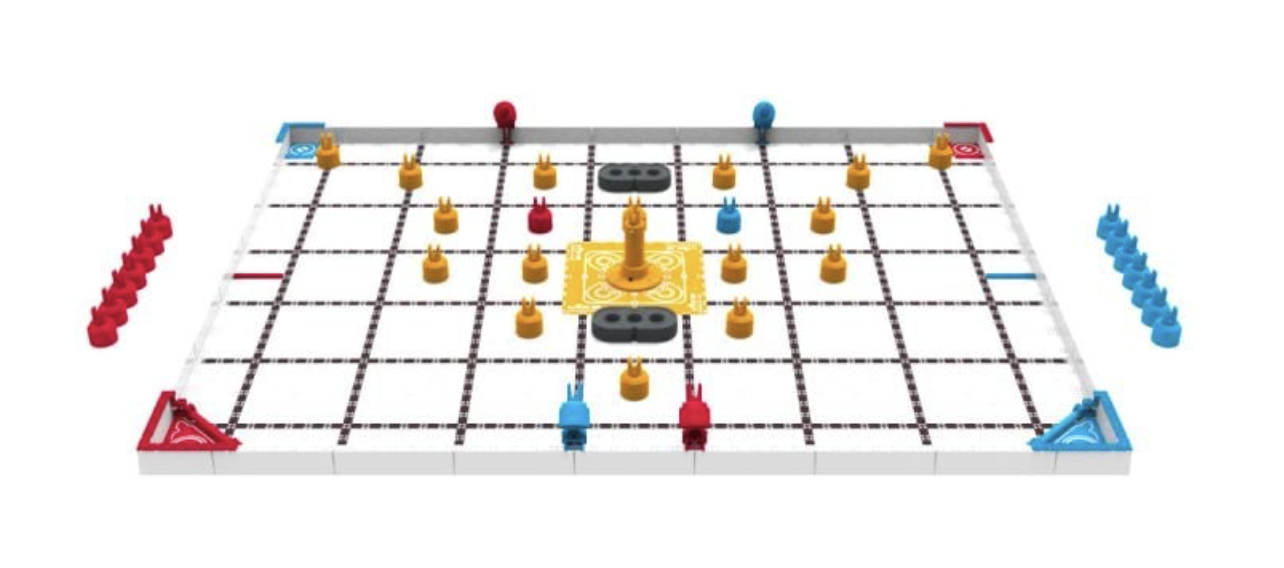
VEX IQ Robotics Competition
FIRST LEGO League (FLL)
Robotics Platforms
Python-style logic or block-to-text transition
Motor control and movement precision
Sensor-based decision-making
Strategy-based programming for tasks and challenges
Coding Focus
Engineering design process
Iterative testing and optimization
Team collaboration and communication
Project documentation and presentation
STEAM Skills Developed
Outcome:
Students learn to design, program, test, and refine robots to complete real challenges—just like engineers.
Stage 3: Advanced Programming / Competitive Robotics
Ages 11–14
Engineering / Competition Track
This stage connects advanced coding directly to high-level robotics competitions.
FIRST Tech Challenge (FTC)
Advanced VEX pathways (team-based competition)
Competition Pathways
C++ or advanced text-based programming
Modular and structured code design
Sensor fusion and autonomous logic
Strategy-driven programming for competitive matches
Coding Focus
Object-oriented thinking
Hardware–software integration
Competition strategy and analysis
Engineering notebook & technical documentation
Engineering & Academic Skills
Outcome:
Students gain competition-ready skills and build a strong foundation for:
Advanced STEM studies
Robotics leadership roles
Engineering and computer science pathways